
Discover how hyaluronic acid is transforming acne care with its unique hydrating and soothing properties, offering innovative solutions for personal care brands and manufacturers.
Unpacking Hyaluronic Acid: What It Is and Why It Matters in Skincare
Hyaluronic acid (HA) is a naturally occurring glycosaminoglycan found throughout the human body, most abundantly in the skin, connective tissue, and eyes. [1] Renowned for its remarkable ability to attract and retain water, HA can hold up to 1,000 times its weight in moisture, enabling it to deliver intense hydration and plumpness to the skin.
You may be wondering, what does hyaluronic acid do for the skin. Hyaluronic acid plays a crucial role in maintaining skin barrier function, elasticity, and resilience. Its ability to bind water molecules supports optimal skin hydration, which is foundational for healthy, balanced, and radiant-looking skin. For brands and manufacturers, HA offers a versatile platform for developing innovative hydrating solutions across a spectrum of personal care products.
The Science Behind Hyaluronic Acid and Acne-Prone Skin
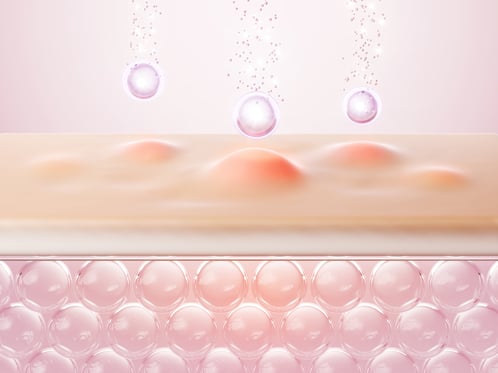 Acne-prone skin often exhibits disruptions in the skin barrier, leading to increased transepidermal water loss, irritation, and inflammation. [2] Hyaluronic acid’s primary function includes enhanced hydration without excess oil which addresses a critical need in acne care by restoring moisture balance without clogging pores.
Unlike heavy occlusives, HA is non-comedogenic, making it suitable for inclusion in the best hyaluronic acid formulations targeting acne-prone and sensitive skin. [3] This unique profile helps reduce visible redness and supports the skin’s natural healing processes.
Formulation Strategies: Integrating Hyaluronic Acid for Enhanced Acne Solutions
For formulators and product developers, hyaluronic acid offers a flexible ingredient compatible with a range of delivery systems, from solid bar formats to serums and gels. Its efficacy is maximized when combined with other beneficial actives—such as niacinamide, ceramides, and gentle exfoliants—that collectively address the multifactorial nature of acne.
Solid personal care products, such as facial cleansing bars or moisturizing sticks, can leverage the hydrating properties of HA while minimizing the need for preservatives and packaging.
Innovative Product Development: Trends and Opportunities in Hyaluronic Acid-Based Acne Care
The growing consumer focus on gentle, multi-functional, and eco-conscious skincare products is fueling innovation in hyaluronic acid-based acne care. Emerging trends include solid cleansers, leave-on treatments, and hybrid moisturizers that combine HA with botanicals, probiotics, or clinical actives for synergistic effects. In fact, HA combined with salicylic acid or retinoids is a powerful combination to treat acne and prevent dryness while soothing inflammation.
For personal care brands and manufacturers, opportunities abound to differentiate portfolios with products that showcase HA’s visible benefits—softer, calmer, and more resilient skin. As research evolves, hyaluronic acid will continue to play a pivotal role in the development of next-generation acne care solutions, meeting both regulatory requirements and consumer expectations for high-performance, skin-friendly formulations.
Sources
[1] Jin Hong Kim, Myeong Ju Moon, Dong Yi Kim, Suk Hee Heo, Yong Yeon Jeong (2018). Hyaluronic Acid-Based Nanomaterials for Cancer Therapy. https://pmc.ncbi.nlm.nih.gov/articles/PMC6403826/
[2] Yuanyuan Deng, Feifei Wang, Li He (2024). Skin Barrier Dysfunction in Acne Vulgaris: Pathogenesis and Therapeutic Approaches. https://pmc.ncbi.nlm.nih.gov/articles/PMC11650898/
[3] Does Hyaluronic Acid Cause Acne? A Skincare Guide. https://iapam.com/skincare-library/does-hyaluronic-acid-cause-acne